A Practical Approach Using 12.8V, 25.6V, and 51.2V Lithium Battery Solutions
Key Takeaways
- Many distributors struggle because they sell complex systems instead of practical solutions
- Residential and small-scale battery energy storage systems are easier to sell and scale
- 12.8V, 25.6V, and 51.2V lithium batteries provide a strong entry point for distributors
- Customers care more about simplicity, compatibility, and reliability than technical specs
- Matching the product to real use cases is the fastest way to close deals
## Introduction
Battery energy storage systems are growing rapidly, but selling them is not as easy as it looks.
Across many markets, demand is driven by residential users and small businesses looking for practical solutions — not complex systems. They want to reduce electricity costs, improve backup reliability, and better use solar energy.
Yet many distributors still struggle.
Deals move slowly.
Customers hesitate.
Conversions stay low.
At first glance, it seems like a pricing issue.
In reality, it usually isn’t.
According to the International Energy Agency (IEA), energy storage will play a critical role in future power systems as distributed energy continues to expand.
The real issue is not the product itself — it is how the solution is positioned.
## 1. The Problem: Selling Systems That Don’t Match the Market
Many distributors still approach battery energy storage systems as large, integrated solutions.
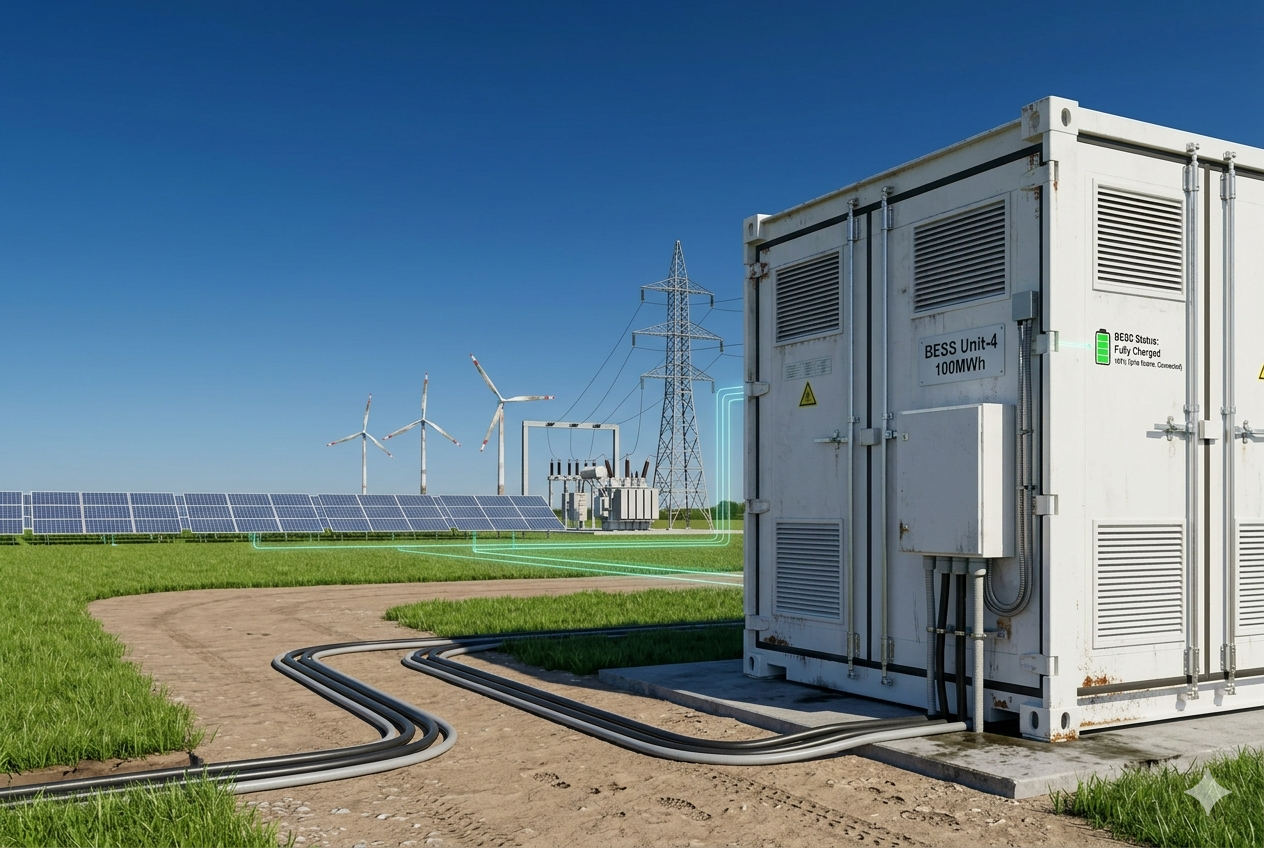
This works in utility-scale or EPC-driven projects.
But today, a large portion of demand comes from:
- Residential users
- Installers
- Small commercial customers
These customers are not looking for complex system architecture.
They are looking for something simple:
- Easy to install
- Easy to understand
- Reliable in daily use
👉 This is where low-voltage lithium batteries (12.8V, 25.6V, 51.2V) become highly relevant.
## 2. Simpler Solutions Close Faster
In real markets, simpler systems consistently outperform complex ones.
Typical use cases include:
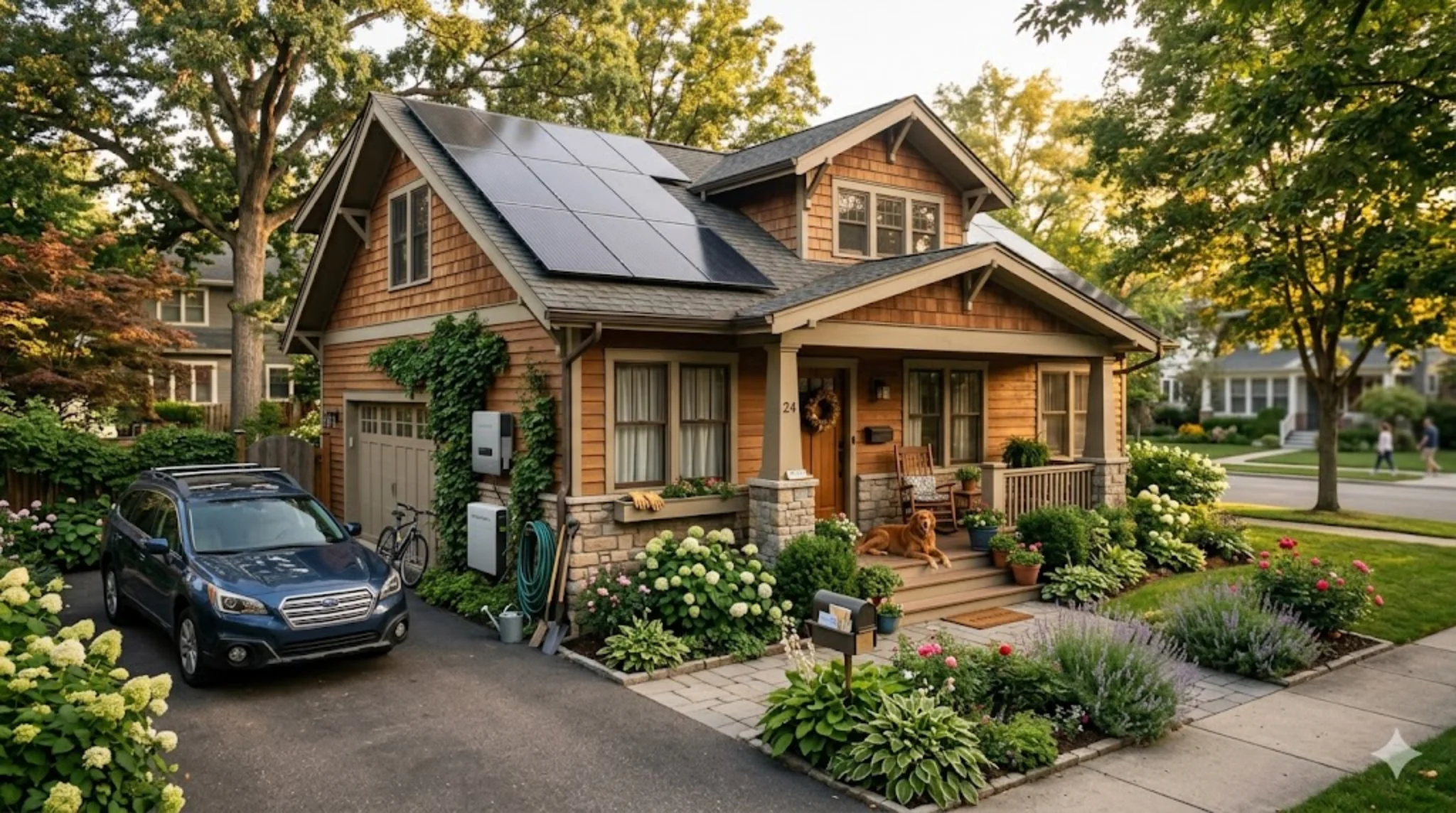
- Home energy storage
- Solar self-consumption
- Backup power systems
- Small off-grid applications
These scenarios do not require full BESS integration.
They require:
- Modular battery solutions
- Inverter compatibility
- Stable performance
👉 Simplicity reduces decision friction — and faster decisions mean faster deals.
## 3. Why Distributors Still Lose Deals
Even in these simpler applications, many distributors make the same mistake:
- Leading with specifications
- Explaining too much technical detail
- Offering full system solutions too early
This creates confusion.
Most customers are not evaluating battery chemistry or system design.
They are asking one simple question:
👉 “Will this solution work for me?”
If that answer is unclear, the deal slows down.
## 4. What Actually Drives the Decision
In residential battery energy storage systems, three factors matter most.
Simplicity
Customers want systems that are:
- Easy to install
- Easy to expand
- Easy to use
👉 Simplicity speeds up decisions
Compatibility
Customers need flexibility.
They want to know:
- Will this battery work with my inverter?
- Can it connect to my solar system?
- Can I scale it later?
👉 Flexible solutions are easier to sell across different markets
Reliability
Reliability builds long-term trust.
Customers expect:
- Stable performance
- Built-in protection (BMS)
- Consistent operation
👉 Reliability often matters more than price
## 5. The Shift That Actually Works
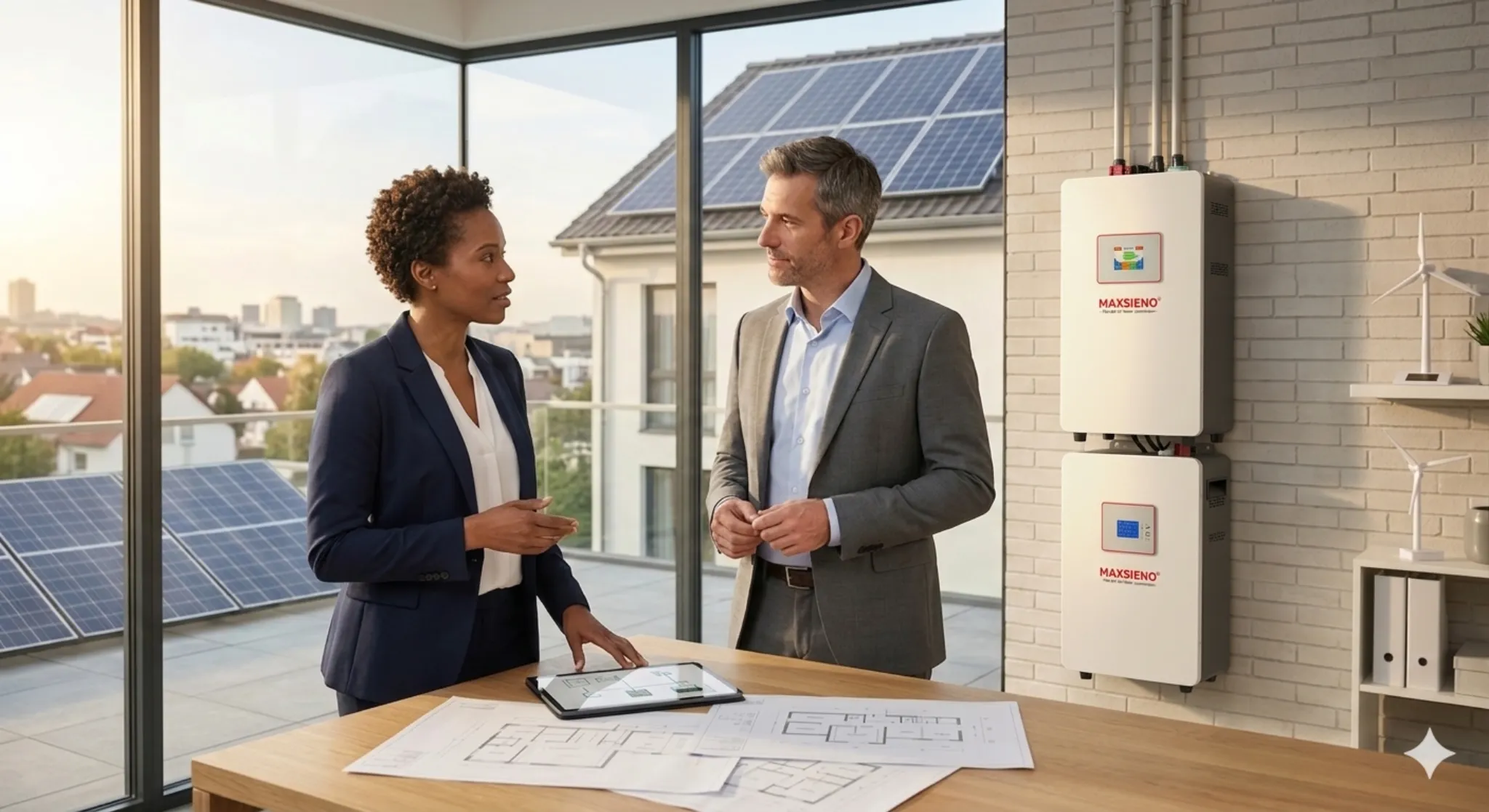
Successful distributors change how they sell.
They don’t start with the product.
They start with the use case.
Instead of:
“Here is our battery.”
They say:
“This battery solution fits your home or project and can grow with your needs.”
This shift moves the conversation:
- From specs → to real applications
- From complexity → to clarity
- From product → to solution
## 6. What This Looks Like in Practice
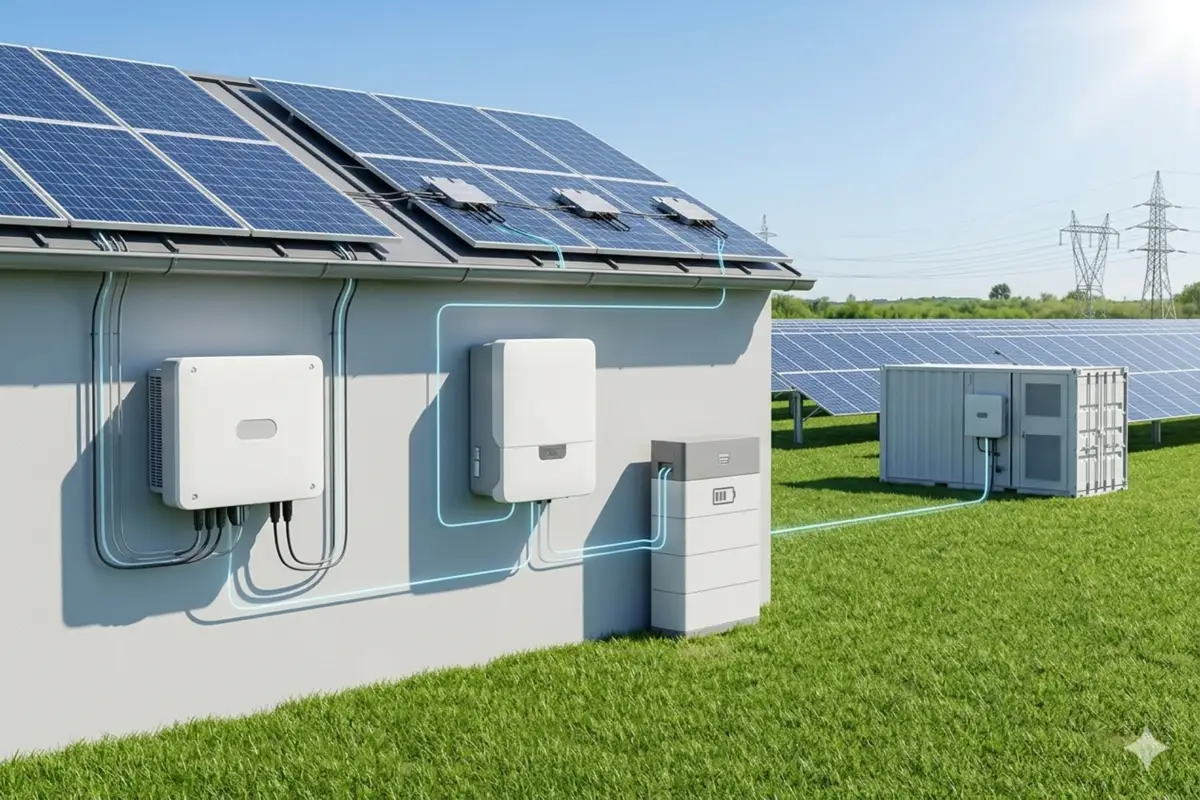
A typical residential setup includes:
- Solar panels
- Hybrid inverter
- Low-voltage lithium battery (12.8V / 25.6V / 51.2V)
These systems are:
- Modular
- Scalable
- Easy to deploy
👉 To explore practical battery energy storage systems for residential and small commercial applications, you can review real product solutions here.
## Conclusion
Battery energy storage systems are not difficult to sell because of technology.
They are difficult to sell when the solution does not match the customer.
Today’s market is moving toward:
👉 Simpler, modular, scalable systems
For distributors, the path is clear:
- Focus on low-voltage lithium batteries
- Match products to real use cases
- Keep the solution easy to understand
Because in most cases:
👉 Simple solutions sell faster
## FAQ
Why are battery energy storage systems hard to sell?
Because many solutions are too complex for the customer’s real needs.
Why are 12.8V, 25.6V, and 51.2V batteries easier to sell?
Because they are simple, flexible, and widely used in residential applications.
What matters most to customers?
Simplicity, compatibility, and reliability.
How can distributors improve conversion?
By focusing on real use cases and simplifying the solution.
## Final Note
If you are building your business in battery energy storage systems, success depends on how clearly you connect the product to real-world use.