Key Takeaways
- Battery energy storage systems in residential markets are growing fast
- 12.8V, 25.6V, and 51.2V lithium batteries are easier to sell and scale
- Customers care more about simplicity, compatibility, and reliability than specs
- Most distributors lose deals by overcomplicating the solution
- Use-case-driven selling leads to faster decisions and higher conversion
## Introduction
Battery energy storage systems are no longer limited to large projects.
In today’s market, much of the demand comes from residential and small commercial applications. Homeowners and small businesses are looking for practical ways to reduce electricity costs, improve backup reliability, and make better use of solar energy.
According to the International Energy Agency (IEA), energy storage will play a critical role in future power systems as renewable adoption continues to grow.
For distributors, this shift creates a clear opportunity.
Instead of focusing only on complex systems, many successful distributors are building their business around low-voltage lithium batteries, especially 12.8V, 25.6V, and 51.2V solutions.
These products are easier to understand, easier to install, and easier to scale — which makes them easier to sell.
## The Real Opportunity: Simpler Systems Win
Many distributors assume battery energy storage systems must be complex to be valuable.
In reality, most residential and light commercial customers want the opposite.
Typical applications include:
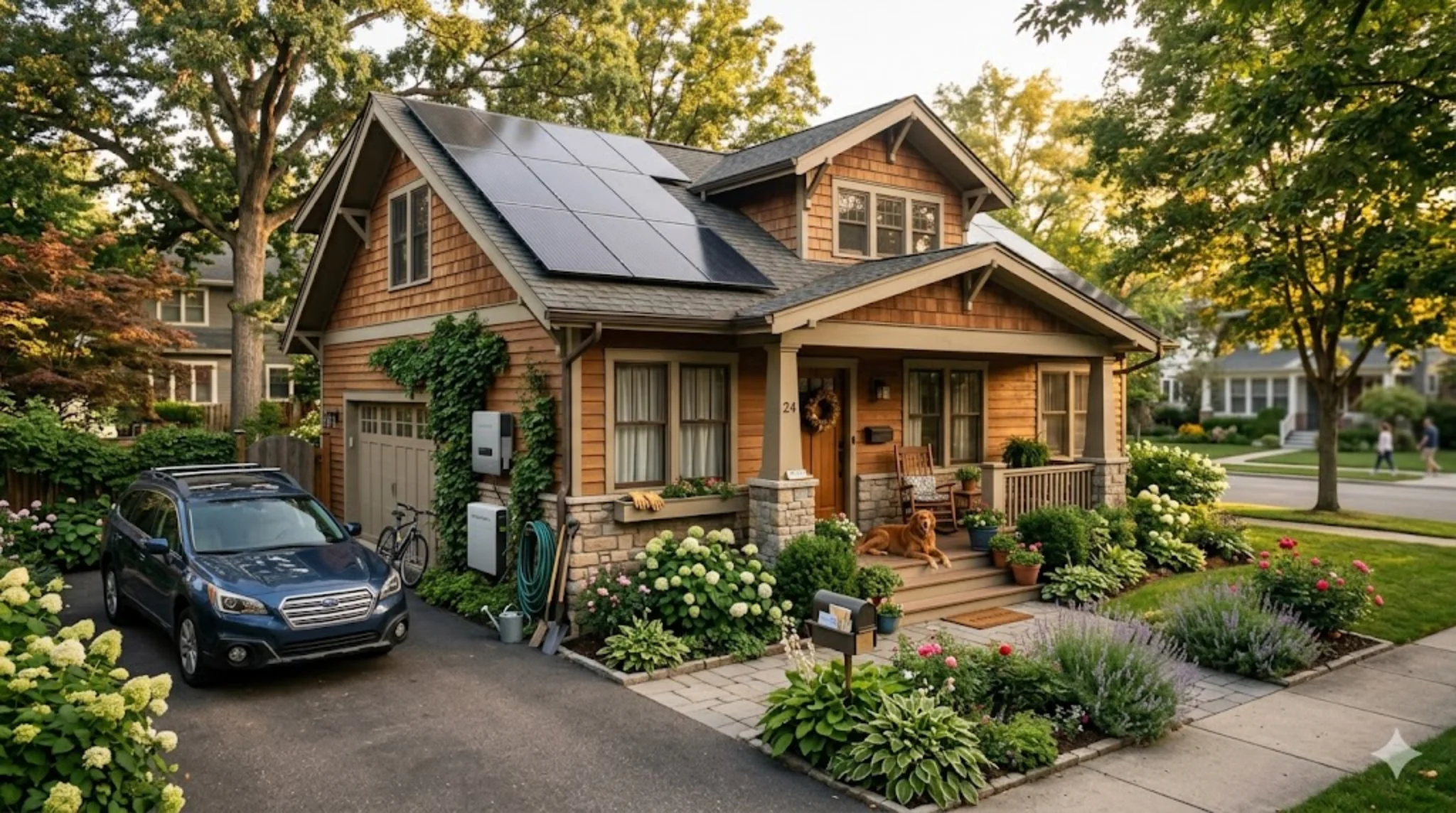
- Home energy storage
- Solar self-consumption
- Backup power
- Small off-grid systems
These use cases don’t require heavy engineering.
They require solutions that are:
- Simple to install
- Flexible to expand
- Reliable over time
👉 In practice, simpler systems reduce friction and shorten the sales cycle.
## Why Distributors Still Struggle
Even in this simpler market, the same mistake appears:
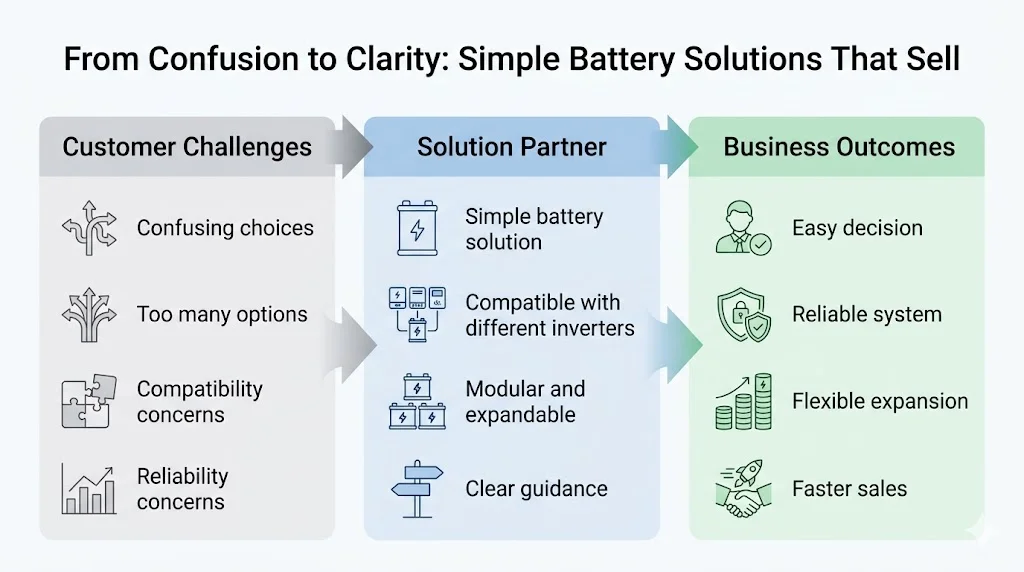
- Leading with technical specifications
- Explaining too much too early
- Trying to sell a full system before understanding the use case
This creates confusion.
Most customers are not engineers. They are trying to answer one basic question:
👉 “Will this solution work for me?”
If the answer is not clear, the decision is delayed — no matter how good the product is.
## What Actually Drives the Decision
In residential battery energy storage systems, three factors consistently matter most.
1. Simplicity
Customers prefer systems that are:
- Easy to install
- Easy to understand
- Easy to expand later
A modular battery setup is often more attractive than a complex solution.
2. Compatibility
Compatibility is critical, especially for distributors working with different inverter brands.
Customers want to know:
- Will it work with my inverter?
- Can it integrate with my solar system?
- Can I expand it later?
👉 A flexible solution is easier to sell across different markets.
3. Reliability
Reliability builds trust.
Customers expect:
- Stable performance
- Built-in protection (BMS)
- Consistent operation over time
👉 In many cases, reliability matters more than a small price difference.
## The Right Way to Sell
Successful distributors adjust how they present battery energy storage systems.
Instead of starting with specifications, they start with real use cases.
Instead of saying:
“Here are the technical specifications.”
They say:
“This battery fits your application and can grow with your system.”
In practice:
- Start with the customer’s scenario (home, backup, solar)
- Recommend simple battery configurations
- Keep explanations clear and practical
- Focus on outcomes, not technical detail
This approach makes decisions easier — and easier decisions close faster.
## What This Looks Like in Practice
In practice, successful distributors follow a simple path:
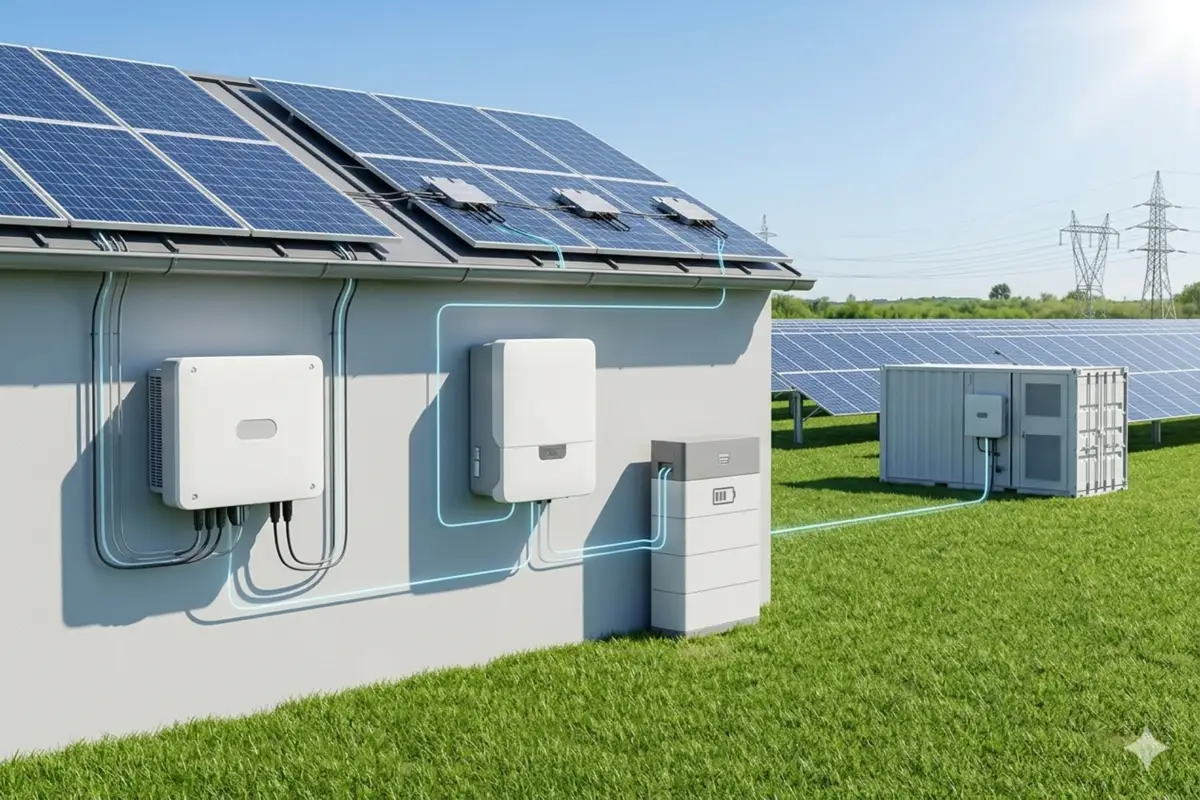
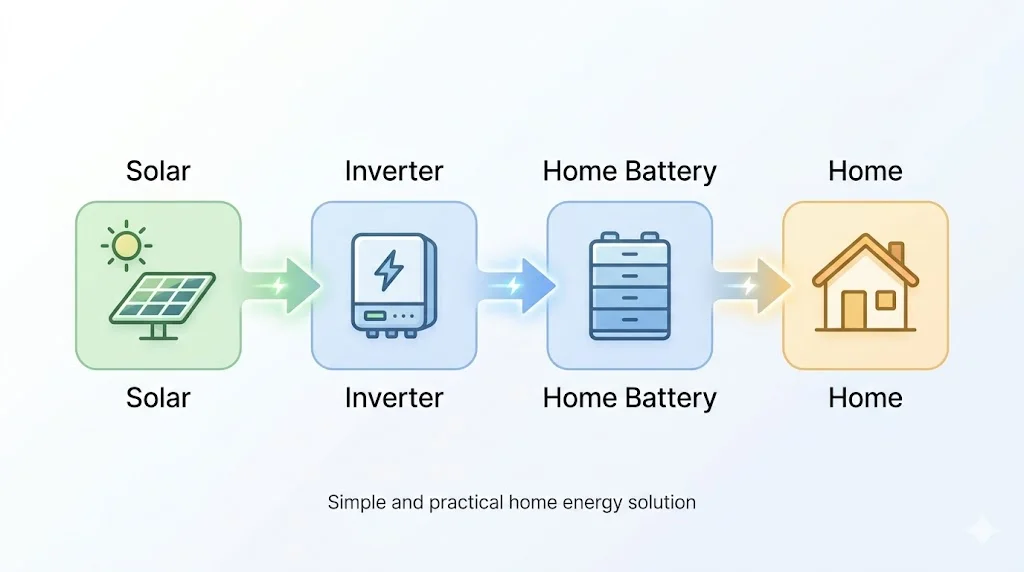
A typical residential system may include:
- Solar panels
- Hybrid inverter
- Low-voltage lithium battery (12.8V / 25.6V / 51.2V)
These systems are:
- Modular
- Scalable
- Easy to deploy
👉 To explore practical battery energy storage systems for residential and small commercial applications, you can review real product solutions here.
## Final Thought
Battery energy storage systems don’t need to be complex to be effective.
In today’s market, growth is increasingly driven by simple, scalable solutions that solve real problems.
For distributors, the strategy is clear:
- Start with low-voltage lithium batteries
- Focus on real applications
- Keep the solution simple
Because in most cases:
👉 Simple systems are easier to understand
👉 And easier systems sell faster
## FAQ
Why are low-voltage battery energy storage systems easier to sell?
Because they are simpler, more flexible, and fit common residential and backup use cases.
Which voltage systems are most common?
12.8V, 25.6V, and 51.2V lithium batteries are widely used in residential and small commercial applications.
What matters most to customers?
Ease of use, compatibility, and reliability.
How can distributors improve conversion?
By simplifying the solution and aligning it with real customer needs.
## Looking to Expand Your Energy Storage Business?
If you are working with residential battery energy storage systems, choosing the right battery solution and presenting it clearly can significantly improve your sales results.