A Practical Guide to BESS Distribution
Key Takeaways
- Most distributors fail in energy storage because they sell products instead of systems
- Customers evaluate battery energy storage systems (BESS) based on reliability and long-term performance
- Sales slow down when customers don’t fully understand ROI and system behavior
- After-sales capability is often the real differentiator
- The most successful distributors act as solution partners, not product vendors
Introduction
The battery energy storage systems (BESS) market is growing fast.
Demand is rising. Electricity costs are increasing. Renewable energy adoption continues to expand.
Yet many distributors entering the battery energy storage systems market face the same problem:
Deals move slowly, and conversion rates remain low.
At first, it looks like a pricing issue.
But in reality, it is not.
The real challenge is understanding how battery energy storage systems are evaluated — and how they should be sold.
According to the International Energy Agency (IEA), energy storage will play a critical role in future power systems.
Many energy storage distributors struggle not because of competition, but because they misunderstand how battery energy storage systems should be sold.
## 1. Price Is Rarely the Real Problem
Lower prices do not necessarily lead to more sales in energy storage.
Because customers are not buying a battery.
They are investing in battery energy storage systems expected to run reliably for 10–15 years.
In most cases, buyers care more about:
- Long-term system stability
- Ease of installation and integration
- Technical support availability
- Real-world performance consistency
Price matters — but only after trust is established.
## 2. You Are Selling a System, Not a Product
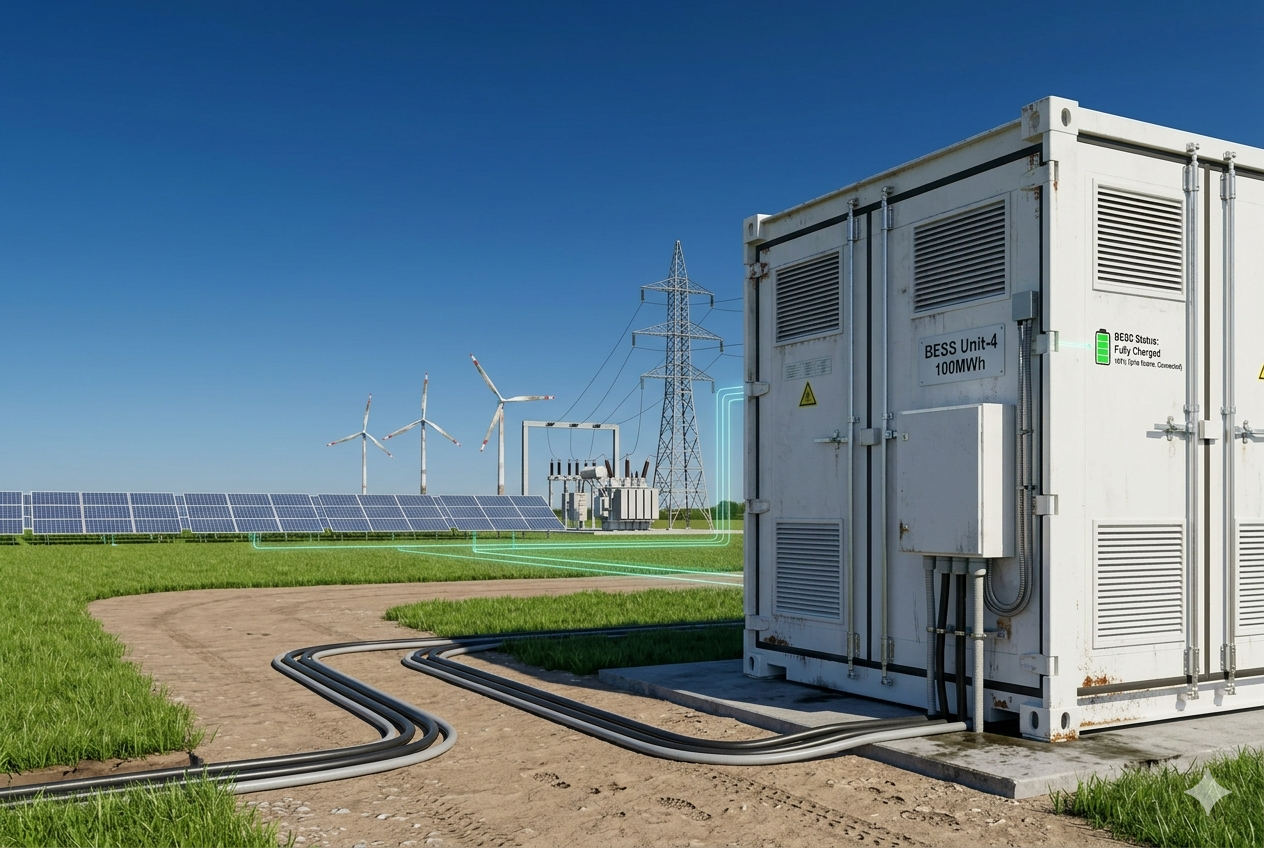
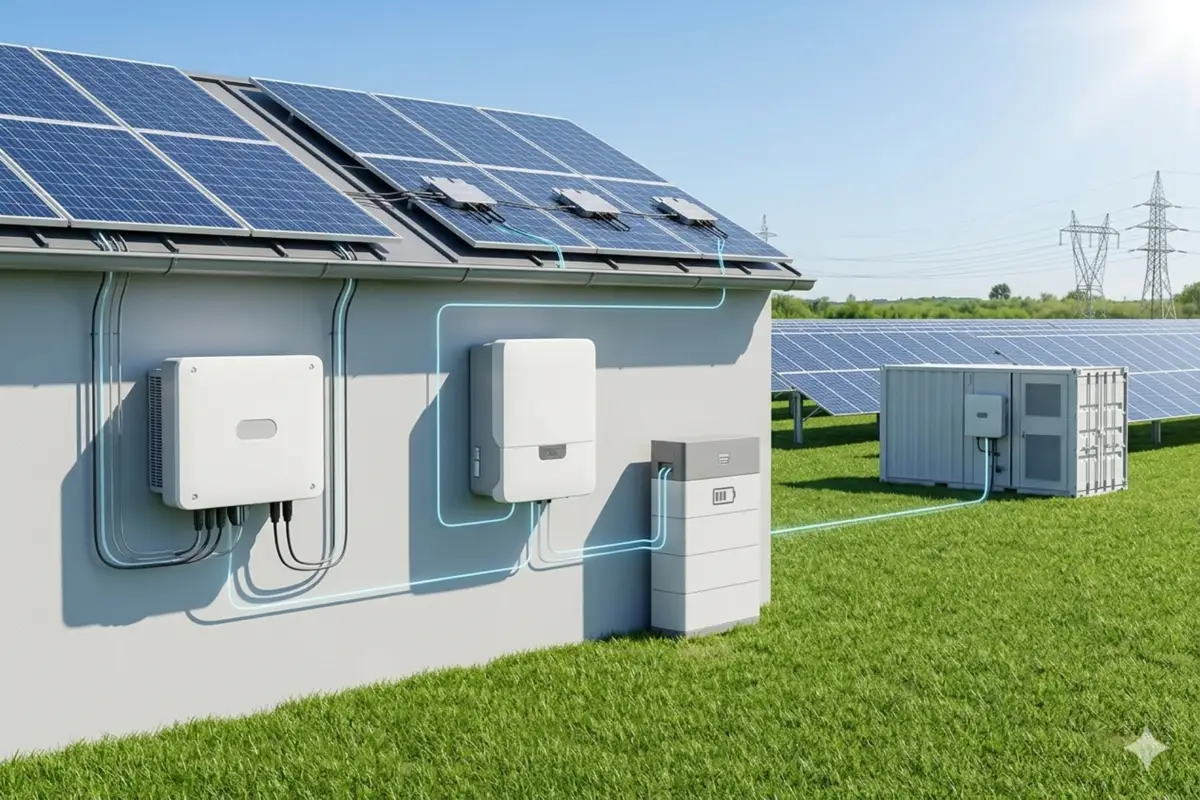
A battery energy storage system (BESS) is not a single component.
It is a combination of:
- Battery
- PCS (Power Conversion System)
- EMS (Energy Management System)
- Integration and commissioning
- Monitoring and operation
To better understand how these systems are evaluated in real projects, you can read our guide on battery energy storage systems.
Customers are not asking what to buy.
They are asking:
Will this system work for my application?
That is a system question — not a product question.
## 3. The Sales Bottleneck Is Customer Understanding
Most customers are still learning how battery energy storage systems work.
Common concerns include:
- ROI and payback uncertainty
- System sizing confusion
- Safety and reliability
- Operational risks
Without clear answers, decisions are delayed.
Specifications alone do not close deals.
Distributors who explain use cases, economics, and system behavior move faster.
In energy storage, education is part of the sales process.
## 4. After-Sales Defines Your Business
The sale is not the end — it is the beginning.
Battery energy storage systems require:
- Commissioning
- Monitoring
- Troubleshooting
- Long-term support
Without strong after-sales capability, distributors face:
- Customer dissatisfaction
- Higher service costs
- Limited repeat business
In practice, after-sales is often the real competitive advantage.
## 5. What Actually Works
Successful distributors approach battery energy storage systems differently.
They focus on outcomes, not products.
That means:
- Understanding the application
- Identifying the value driver (cost savings, stability, independence)
- Offering system-level solutions
- Working with technically capable partners
The shift is simple:
From selling equipment → to delivering system value
Battery energy storage systems require a different sales approach compared to traditional products.
Conclusion
Battery energy storage systems are one of the fastest-growing segments in the energy market.
But they require a different way of selling.
Distributors who treat storage as a product often struggle.
Those who understand battery energy storage systems at a system level — and guide their customers accordingly — build stronger, more sustainable businesses.
Frequently Asked Questions
What makes battery energy storage systems difficult to sell?
Because customers evaluate long-term system performance and reliability, not just price or specifications.
Do customers prioritize price in energy storage projects?
Price is important, but reliability, support, and performance are usually more critical.
What is the biggest mistake distributors make?
Treating battery energy storage systems as standalone products instead of integrated systems.
How can distributors improve energy storage sales?
By focusing on customer education, application-based solutions, and after-sales support.
What makes a successful energy storage distributor?
The ability to deliver system-level solutions and long-term value.
Final Note
If you are building your business in the battery energy storage systems market, success depends on more than just products.
It depends on how well you help your customers make the system work.